‘Permaculture is a method of planet management that tries to emulate the natural ecosystems of the planet,to work with nature rather than seeing her as an enemy that must be subdued.’
Ken Fern – Plants for a future
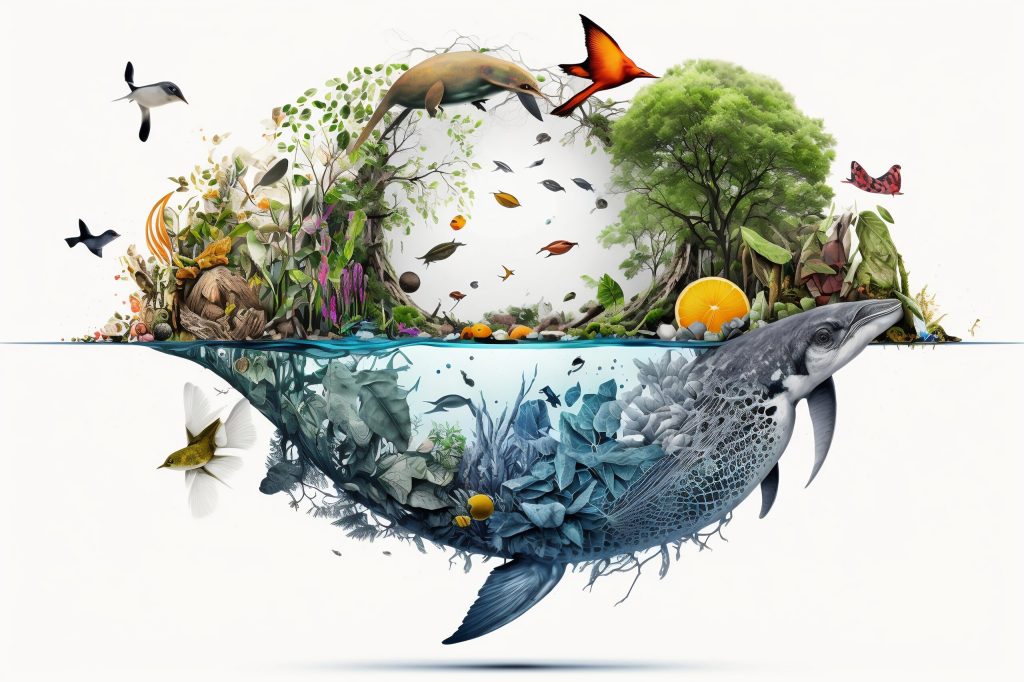
Permaculture: A Brief Definition
Permaculture is a design system for creating sustainable human habitats by mimicking the patterns and relationships found in nature. It’s a framework for working with natural forces (wind, sun, water, and plants) to provide for human needs while regenerating the ecosystem. It’s applied not just to gardening, but to economics, community building, and personal resilience.
The Three Core Ethics
These are the moral foundation of all permaculture design:
1. Earth Care: Rebuild and preserve natural capital. Protect soil, water, air, and biodiversity. The planet is our life-support system.
2. People Care: Look after oneself, kin, and community. Ensure access to resources necessary for existence, health, and social well-being.
3. Fair Share: Set limits to consumption and reproduction. Redistribute the surplus (of time, money, skills, yields) to care for the Earth and people. It’s about sharing resources equitably.
Key Principles (A Selection)
Developed by David Holmgren, these are practical thinking tools. Key ones include:
* Observe and Interact: Spend time watching nature’s patterns before acting.
* Catch and Store Energy: Harvest resources (sun, water, fertility) when abundant for use in times of need.
* Obtain a Yield: Ensure your work provides tangible, useful rewards.
* Apply Self-Regulation and Accept Feedback: Discourage inappropriate activity; learn from mistakes.* Use and Value Renewable Resources & Services: Maximise the use of nature’s abundant flows (sun, wind) over depleting stored assets (fossil fuels).
* Produce No Waste: See waste as an unused resource. “Waste = Food.”
* Design from Patterns to Details: Start with broad patterns (sun path, water flow), then fill in the specifics.
* Integrate Rather Than Segregate: Place elements so they support each other, creating symbiotic relationships.
* Use Small and Slow Solutions: They are easier to maintain, make better use of local resources, and produce more sustainable outcomes.
* Use and Value Diversity: Reduces vulnerability and taps into the unique qualities of each element.
* Use Edges and Value the Marginal: The interface between systems (e.g., forest edge) is where the most interesting and productive events occur.
* Creatively Use and Respond to Change: Influence inevitable change for positive effect.
Permaculture Pedagogy
Permaculture education is experiential, participatory, and empowering. It moves away from passive “teacher-as-expert” models. Core pedagogical elements include:
* Learning by Doing: Hands-on projects are central.
* Design Studios: Students apply principles to real-world sites (a garden, a home, a community).
* Pattern Literacy: Learning to read landscapes and social systems.
* Mentoring & Guild-Building: Fostering peer-to-peer learning and supportive networks.
* Empowerment Focus: The goal is to equip people with a design toolkit to solve their own problems, fostering agency and resilience.
What is a Guild? (A Deeper Outline)
In permaculture, a guild is a deliberately assembled community of plants, animals, insects, and fungi that support each other’s life processes, creating a resilient, low-maintenance, and productive ecosystem. It’s the opposite of a monoculture.
Think of it as a plant support network or a functional polyculture where each member plays one or more beneficial roles.
Core Concept: Stacking Functions
Every element in a guild should perform multiple functions (yield, support, protection). Every essential function (fertility, pest control) should be supported by multiple elements. This creates redundancy and resilience.
The Roles in a Classic Plant Guild
1. The Central Element (or “Client”): The primary species you want to support. Example: Maize/Corn.
2. Supporters/Nitrogen Fixers: Add fertility to the soil. *Example: Beans (climbing the corn).*
3. Protectors/Ground Cover: Suppress weeds, retain soil moisture. Example: Squash (spreading leaves shade soil).
4. Attractors/Repellents: Draw in beneficial insects or repel pests. Example: Nasturtiums (attract aphids away from beans).
5. Mineral Accumulators: Deep roots “mine” nutrients from subsoil. Example: Comfrey (brings up potassium).
6. Mulches: Plants that provide abundant leafy material for mulch. Example: Nettle
Key Characteristics of a Successful Guild:
Mutual Benefit: Relationships are synergistic (e.g., beans fix nitrogen for corn; corn provides a trellis for beans).
Resource Partitioning: Plants occupy different niches—root depth, height, and sun requirement—to minimise competition.
Continuous Yield: Something is always producing across seasons.
Self-Maintenance: The guild requires less weeding, watering, and fertilising over time as internal cycles establish.
Applying the Guild Concept Beyond the Garden:
The guild model is a powerful metaphor for designing resilient human systems:
A Community Hub Guild: The central element is the space. Supporters are volunteers, attractors are popular events, ground cover is the daily coffee morning that builds connections, mineral accumulators are the partners who bring in external resources (grants, expertise).
A Personal Support Guild: The central element is you. Who are your nitrogen fixers (people who energise you)? Your ground cover (practices that provide stability)? Your protectors? By understanding guilds, we learn to design systems where cooperation replaces competition, and the health of the whole strengthens each individual part.

 welcome